Winter Olympics

Most people watch the Winter Olympics and think "these people are just built different." And physically, sure — but what separates an Olympic athlete from an average person is not talent alone. It's the fact that they showed up every single day for years, even when they didn't feel like it, even when nobody was watching, and even when results weren't coming fast enough. That level of discipline is actually the most transferable thing about Olympic training.

Think about it — you don't need a bobsled track or an alpine ski slope to apply that mindset. The same principle of showing up consistently, following a structured routine, and pushing through discomfort applies to going to the gym three times a week, running in the morning before work, or even just staying consistent with a diet. The Olympics are just an extreme version of something we all have access to: the choice to be disciplined or not.

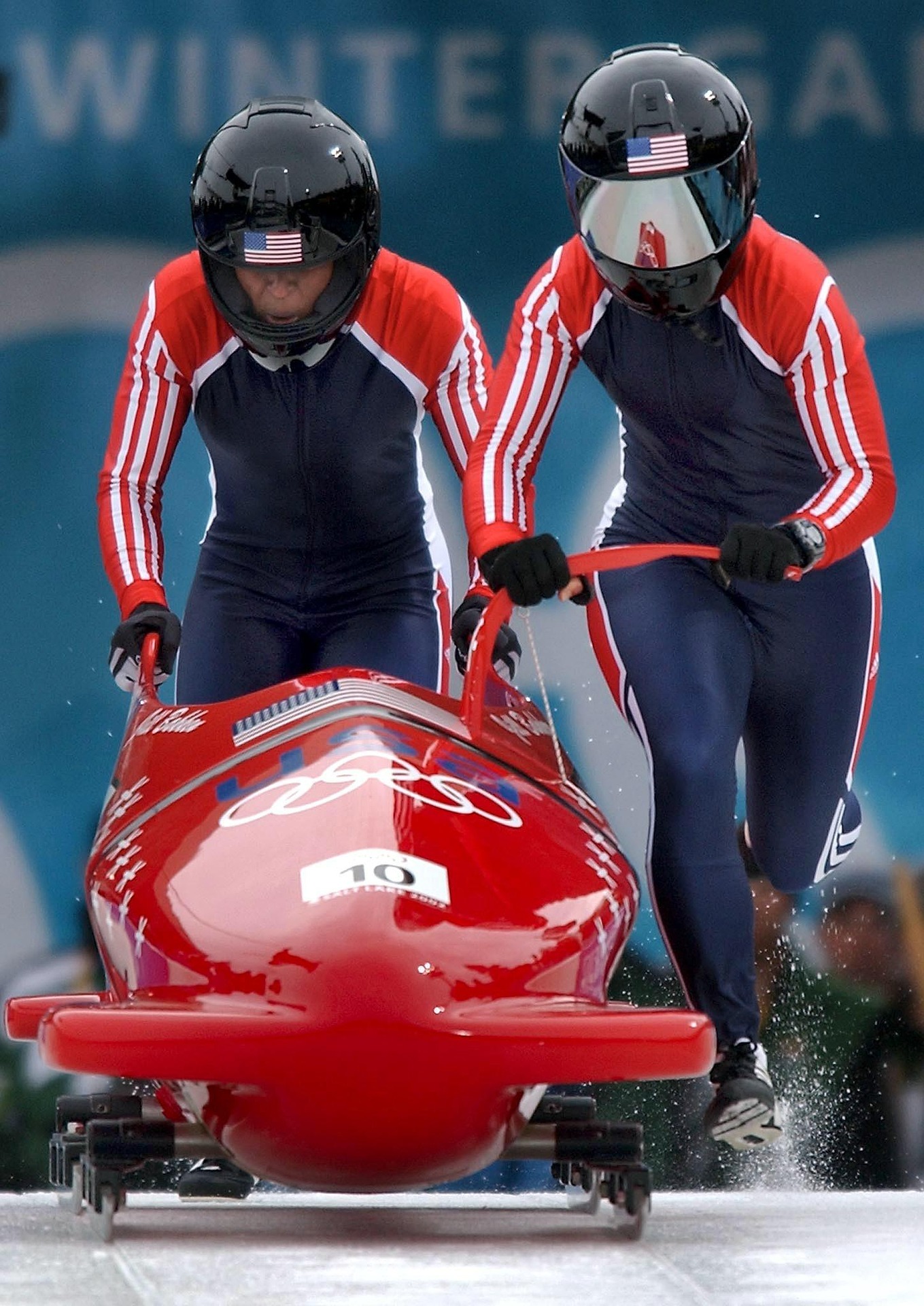
USA bobsled team pushing off at the start of a Winter Olympics run

Strength Training

Olympic strength training is not about looking good — it's about function. Every exercise in an Olympic athlete's program has a purpose tied directly to their sport. Squats build explosive leg power for skiers. Single-leg work improves balance for figure skaters. Core training keeps a speed skater's position locked in at 40mph. Nothing is random, and nothing is done just to fill time. That level of intentionality is something most gym-goers completely skip over.

When the average person goes to the gym, they usually do whatever feels comfortable that day. Olympic athletes do the opposite — they train their weaknesses harder than their strengths because they know that one weak link can cost them everything on competition day. Applying that same idea to your own workouts means being honest about what you avoid and making it a priority. It's uncomfortable, but that's exactly where the real progress happens — and you don't need to be an Olympian to figure that out.

Athlete performing strength training exercises

Cardio & Motivation

Nobody talks about the moments before the race. The athlete standing at the top of the slope, heart pounding, years of work sitting on the next 90 seconds. They're not thinking about motivation — motivation is irrelevant at that point. What carries them through is the thousands of mornings they chose to get up and train when every part of them said don't. That's not talent. That's a habit so deeply built into them that showing up became automatic. Most of us will never race at the Olympics, but that feeling of being so prepared for something that fear turns into confidence? That's available to everyone.

Endurance is not just a physical thing. It's what you build every time you finish a workout you almost skipped, every time you go to bed on time instead of scrolling for another hour, every time you eat something that actually fuels you instead of just fills you. It adds up quietly over weeks and months until one day you realize you handle stress differently, you have more energy, you feel sharper. Olympic athletes just took that process to its absolute limit. But the process itself — small consistent actions that compound over time — that belongs to anybody willing to trust it long enough to see results. That man in the picture isn't running toward a finish line you can see. He's running toward a version of himself that doesn't exist yet — and the only way to get there is to keep moving forward, one step at a time, on the days it's beautiful and on the days it hurts equally.

Athlete running for cardio endurance training

The Clock Is Running.

Every second you spend thinking about starting is a second someone else is already moving. What are you waiting for?